
Bathroom Waterproofing Auckland
The membrane under your tiles is what keeps your bathroom dry. We waterproof showers and wet areas across Auckland, and prove it before the tiles go on.
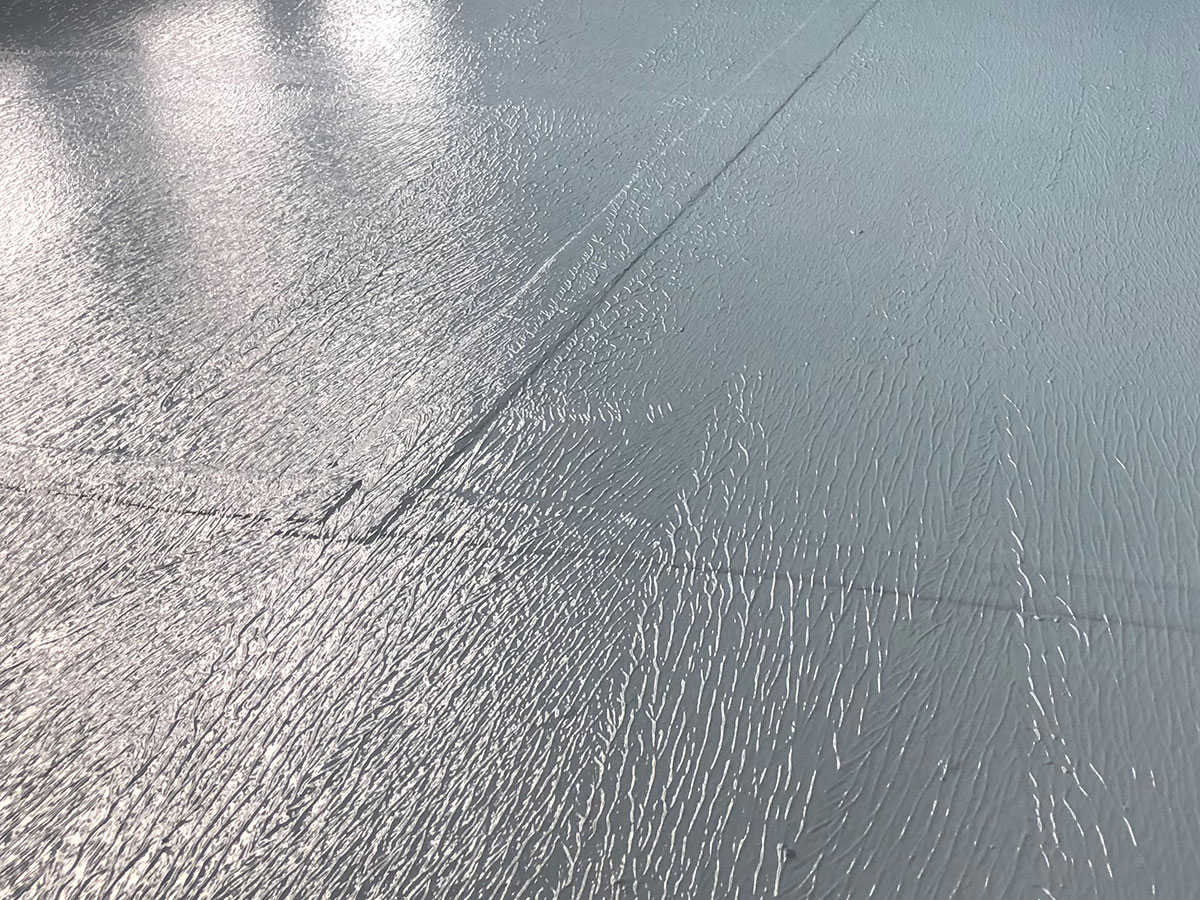
Auckland bathroom waterproofing
When you need bathroom waterproofing
Nobody sees good waterproofing. It disappears under the tiles within days of being applied, and if it was done properly you’ll never think about it again. That’s the point. It’s also the trap, because everything that matters about a tiled bathroom happens before the first tile is laid.
People call us at three different moments. Sometimes it’s mid-renovation, with the old bathroom stripped out and a membrane needed before tiling can start. Sometimes there’s a consent involved and the waterproofing has to be signed off before it vanishes under the finished floor. And sometimes the call comes too late, after a shower has already been leaking into the wall for months and the whole wet area needs stripping back. Tiles and grout shed most of the water. The membrane underneath is the actual barrier. Done right, the bathroom outlasts the mortgage. Done wrong, you find out through the ceiling below. This is the bathroom half of our wider waterproofing service.
What we handle
Waterproofing work we take on
From a new ensuite to a leaking shower strip-back, here’s the waterproofing work we take on across Auckland.
New bathroom membranes
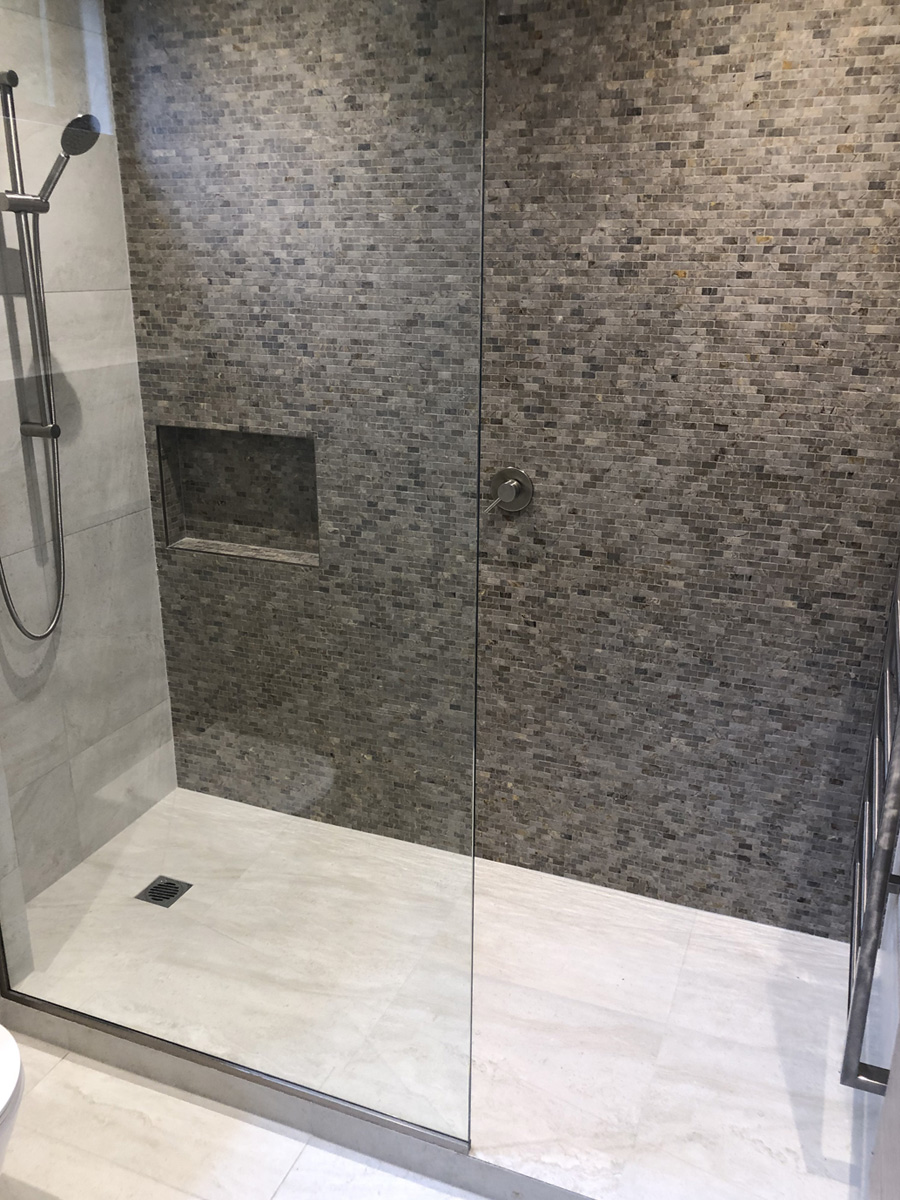
A new bathroom gets a full membrane system, not a quick coat of paint-on product. The floor gets covered, every junction gets covered, and the shower walls get protected up to at least 1800mm, or 50mm above the rose if that’s higher. Falls to the waste are formed in the screed before the membrane goes on. Never in the membrane itself. And on timber floors, which is most of Auckland’s housing, we use the flexible membrane classes built to move with the building instead of cracking with it.
Shower re-waterproofing and strip-backs
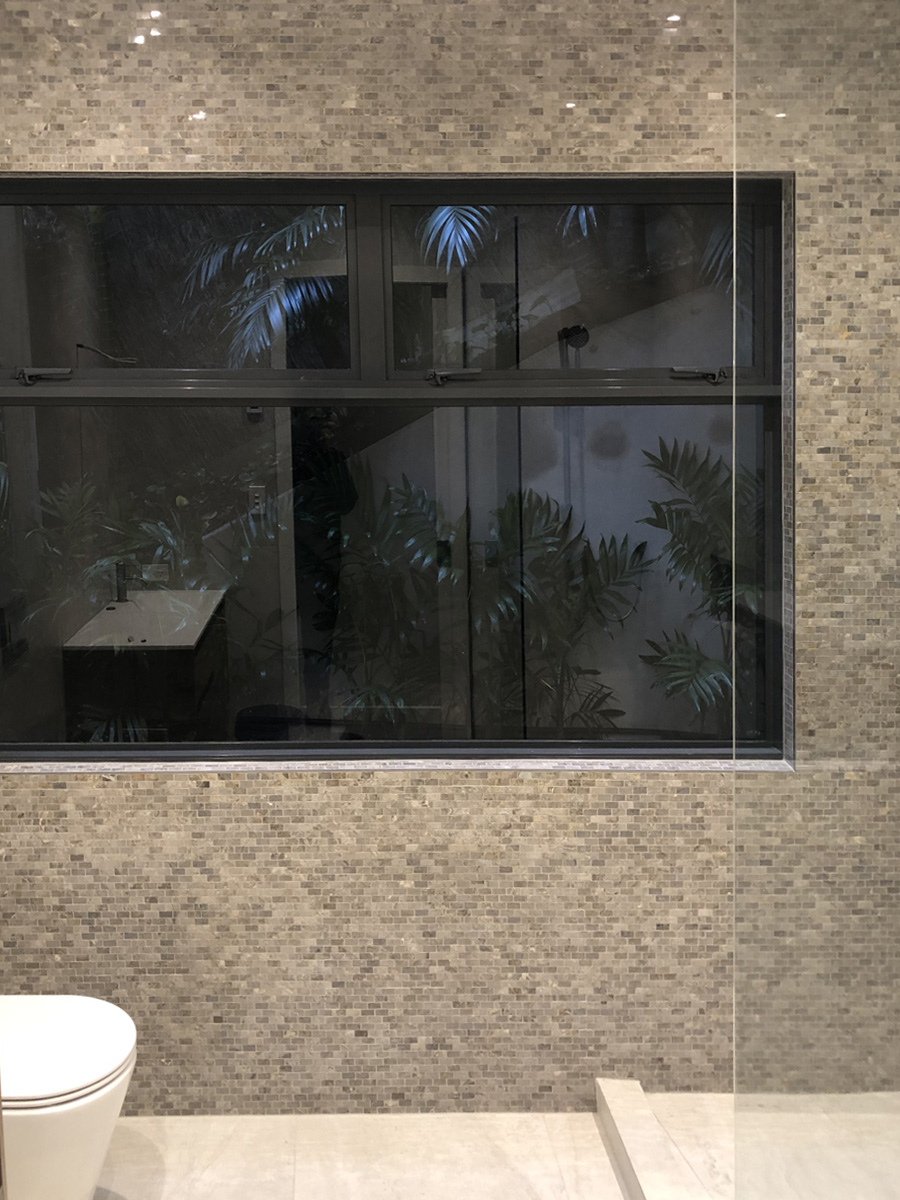
A failed membrane cannot be patched from above. Once water is getting through, the fix is stripping the shower back to the substrate, sorting any rotted framing, and rebuilding the waterproofing from zero. Anyone offering to overlay new tiles or a new membrane over a leaking shower is selling you a delay, not a repair. It’s the most invasive job in the bathroom and the one where cutting corners costs the most. Not sure yet whether your membrane has actually failed? Our tile repair service covers the diagnosis side.
Level-entry showers
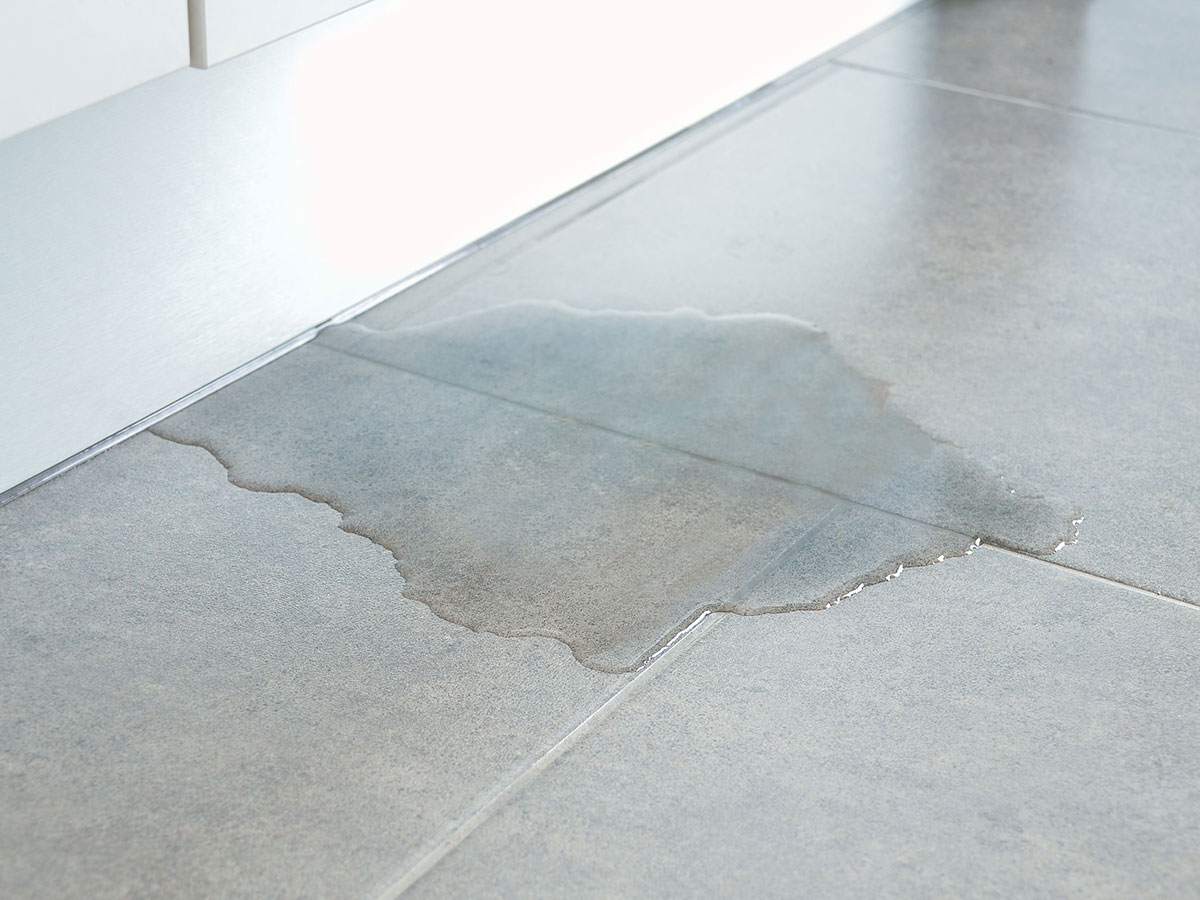
Picture a bathroom with no shower tray and no hob, just tiles falling gently to a linear drain. Level-entry showers are the look everyone wants, and the detail that punishes sloppy work hardest. The rules are specific: a fall of at least 1:50 to the waste across a 1500mm radius under the rose, plus a membrane that extends well past where the water is supposed to stop. It never stops where it’s supposed to. Done right they’re brilliant, and for anyone planning to age in place, they’re the future.

The detailing that decides everything
Most bathroom leaks don’t come from the middle of the floor. They come from corners. From junctions. From the holes where the mixer and the rose punch through the wall. That’s why the standards are obsessive about exactly those spots. Internal corners get fillets and bond breakers so the membrane bridges the angle without thinning out. Junctions get reinforcing mat embedded in the membrane while it’s wet. Penetrations get a proper flange, not a smear of silicone. This is the twenty percent of the job that takes eighty percent of the care.

Flood testing and paperwork
Alongside the membrane itself comes the proof. Once everything has cured, we plug the waste and flood the shower, mark the water line, and leave it a full day or more before checking. Then it dries out again before tiling starts. We photograph the membrane at every stage before it disappears, and where the job is consented we provide the PS3 producer statement councils rely on to sign off waterproofing they can no longer see. When your bathroom is done, the folder proves it was done right.
The tiling that follows
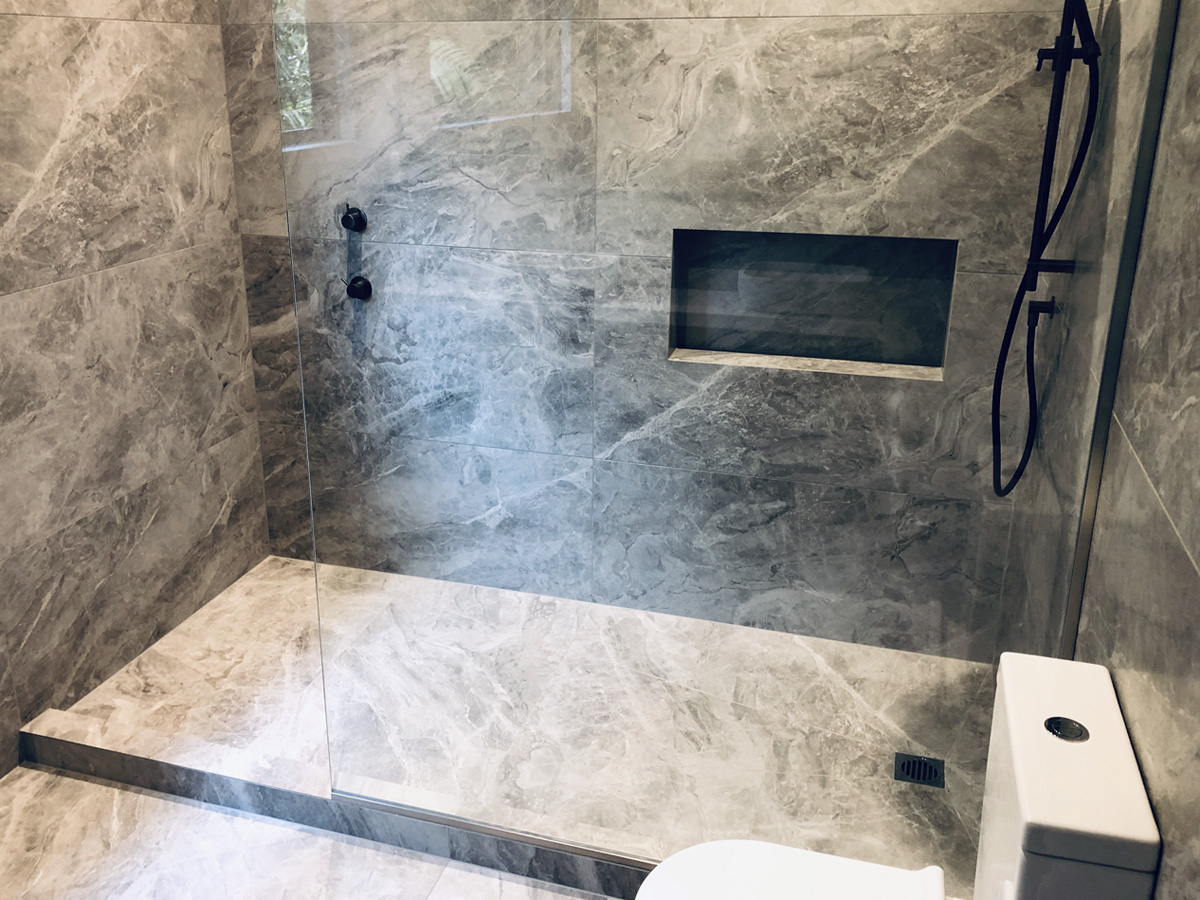
What good is a perfect membrane under rushed tiling? Waterproofing and tiling are one system, which is why we do both. The membrane cures fully before a tile touches it, roughly a day or two for acrylic systems and longer for others. The falls formed in the screed carry through to the finished floor. One crew, one warranty, no gap in the middle for blame to fall through. Our bathroom tiling service is that half of the story.
Bathroom waterproofing across Auckland
Wet areas are the one part of the house every suburb has in common. We waterproof bathrooms from Papakura and Takanini up through Manukau, Howick, Pakuranga and Botany, across central suburbs like Remuera, Ellerslie, Epsom and Mount Eden, out to Henderson and New Lynn, and over the bridge to the North Shore.
The stakes change with the building, though. When an upstairs townhouse bathroom leaks, the living room ceiling below pays for it. Villa bathrooms sit on timber floors that move with the seasons, which is exactly what flexible membrane classes exist for. And in an apartment block? A leak stops being your problem and becomes the neighbour’s, followed shortly by a letter from the body corporate. Suburb not listed? Ask. The answer’s usually yes.
How it works
What to expect
Assess and plan
First we look at the substrate, the layout and what the job actually needs: which membrane class suits the floor, where the falls go, and whether the work is consented. You get it in writing.
Prep and membrane
Then preparation, which is honestly most of the job. The substrate gets cleaned back to something sound, the falls get screeded in, fillets go into the corners. After that the membrane goes on coat by coat, reinforced at every junction, with each coat curing before the next.
Test and document
Next comes proving it holds water, literally. The flood test runs at least a full day, photos get taken at every stage, and the PS3 producer statement gets prepared where council needs one.
Tile and hand over
Last, the tiling over a fully cured membrane, silicone at the movement joints, and a walk-through with the records handed over.
Done properly
Why choose Hi Tech Tiling
Waterproofing is the trade where you’re paying for what you can’t see, so the honest question is why trust us with it.
Start with the fact that we’re certified membrane installers who also lay the tiles. We own the whole system from substrate to finish, and there’s no subcontractor gap for a leak to hide in. We work to clause E3 of the Building Code and the wet-area membrane Code of Practice, not to whatever’s quickest. And everything gets documented: membrane photos before tiling, flood test results, producer statements for council.
Bathrooms are where New Zealand’s leaky-building lessons were learned the hard way. We treat every shower like the ceiling below is ours.
Good to know
Waterproofing questions, answered
Does my shower really need a waterproof membrane?
If it’s tiled, yes. Tiles and grout are not waterproof, and the Building Code expects wet areas over absorbent substrates to have an impervious barrier underneath. The membrane is that barrier. A tiled shower without one is a leak on a timer.
How long before tiles can go on the membrane?
Depends on the product. Acrylic systems are usually ready in a day or two, others take longer, and every coat has to dry before the next goes on. Add a day or more if the shower is flood tested, plus drying time after. Rushing this step is how blisters and bond failures happen, so we don’t.
Do I need building consent for bathroom waterproofing?
Often, yes. Tiled showers and wet-floor bathrooms are commonly treated as consented work, and new bathrooms or ensuites almost always are. Like-for-like swaps such as replacing an acrylic shower unit usually aren’t. We’ll tell you which side your job falls on, and where consent applies we provide the PS3 producer statement.
What is a PS3 and why does council want one?
A PS3 is a producer statement: the installer’s formal declaration that the waterproofing was done to the approved plans and standards. Council relies on it because once the tiles go on, the membrane can’t be inspected. We back ours with photos of the membrane at every stage, which is exactly what councils want to see.
Are level-entry showers riskier than ones with a hob?
Only when they’re done badly, which unfortunately is often. Without a hob there’s no barrier holding the water back, so everything rides on the falls and how far the membrane extends. Get those right and a level-entry shower is as dry as any other, and far easier to live with long term.
My shower is leaking. Can you just re-waterproof over the top?
No, and be wary of anyone who says yes. A failed membrane has to be stripped back to the substrate, because overlaying traps the defects, changes the falls and hides any rot underneath. We strip it, fix what the water damaged, and rebuild the waterproofing properly, then tile it.
Talk to Hi Tech Tiling
Building a bathroom, or worried about one? Send us the plans or a photo, and we’ll tell you what the waterproofing needs and what it doesn’t. Call 021 681 166 or send through the details.
Hi Tech Tiling, 3 Bellfield Road, Ōpaheke, Auckland 2113. Phone 021 681 166.